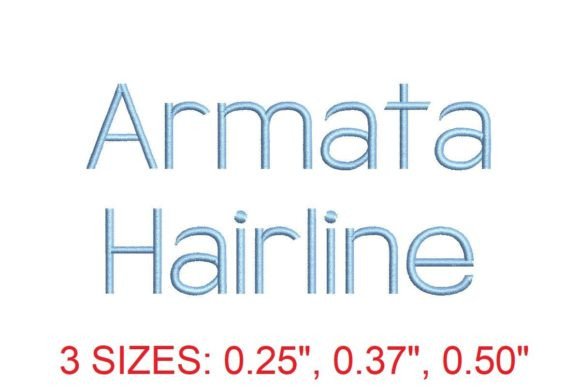
Armata Hairline Embroidery Font
A First Glance at Elegance
The Armata Hairline Embroidery Font immediately catches the eye with its clean, minimalist lines and refined structure. It exudes a sense of sophistication that feels both timeless and modern. The font’s hairline strokes are delicate yet bold enough to stand out on fabric, making it a strong contender for projects that demand a touch of class without overwhelming the design.
Where This Font Belongs
While the Armata Hairline Embroidery Font is versatile, it shines best in projects where subtlety meets impact. Think custom apparel like tote bags or sweatshirts, where the font can add a subtle yet elegant detail. It also works well for personalized gifts such as baby clothes, holiday ornaments, or embroidered patches. Its refined look makes it ideal for boutique branding and small shop merchandise, especially in categories like Back To School, where a polished aesthetic is often preferred.
Real-World Testing: A Custom Tote Bag Scenario
Imagine you're preparing a custom embroidered tote bag for a client. The Armata Hairline Embroidery Font would be perfect for adding a monogram or a simple phrase like “Back To School” or “New Beginnings.” On a light-colored fabric, the font’s elegance becomes even more pronounced. However, when testing on a dark fabric, the contrast might need careful consideration. Using a contrasting thread color, like white or gold, could make the design pop and ensure clarity after stitching.
Stitching Clarity and Detail
The font’s fine lines and minimalistic design require attention to stitch density and thread choice. A satin stitch or fill stitch might be necessary to maintain legibility, especially on smaller text. For larger letters, a running stitch could provide a cleaner, more defined look. However, the font’s thin lines may not translate well to very small hoop sizes or dense stitch areas, which could cause the design to appear muddy or unclear.
Considerations for Fabric and Surface
When working with textured fabrics, the Armata Hairline Embroidery Font might lose some of its finesse due to the fabric’s uneven surface. Similarly, stretchy or thin fabrics could distort the design during stitching. Curved surfaces like caps or hats may also pose challenges, as the font’s straight lines might not conform well to the curve. In such cases, using a stabilizer and adjusting the hoop size can help maintain the design’s integrity.
Design Impact on Product Value
The Armata Hairline Embroidery Font has the potential to elevate the perceived value of a handmade product. Its sophisticated appearance aligns well with premium branding efforts, whether for Etsy sellers, craft businesses, or small shop owners. When used thoughtfully, it can enhance customer trust and make the finished product feel more intentional and high-quality. However, overuse or poor application can lead to a generic look, so it’s important to balance the font with other design elements.
Practical Design Notes for Success
- Test on scrap fabric: Always test the design on a piece of scrap fabric before committing to a final project.
- Check thread color contrast: Ensure the thread color complements the fabric and provides good visibility.
- Review stitch density: Adjust stitch settings to maintain clarity and avoid overcrowding.
- Confirm hoop size: Use an appropriate hoop size to prevent distortion and ensure proper tension.
- Inspect small details: Pay close attention to corners and edges to avoid any unintended visual effects.
- Test in black and white mockups: This helps identify potential issues with contrast and clarity.
- Use proper stabilizer: Stabilizers help maintain fabric stability and improve stitching results.
- Compare light and dark backgrounds: Ensure the design looks good on various fabric types.
- Confirm licensing: Before selling finished items or digital products, verify the font’s licensing terms.
Conclusion: A Font for Thoughtful Designers
The Armata Hairline Embroidery Font is a great option for designers who appreciate minimalism and elegance. Its versatility makes it suitable for a range of embroidery projects, from custom apparel to personalized gifts. However, it requires careful consideration of fabric type, hoop size, and thread color to achieve the best results. For those who take the time to evaluate and adapt, this font can become a valuable asset in their design toolkit, enhancing both the visual appeal and the professionalism of their finished products.