Requited Script Embroidery Font Review
A Professional Designer’s Take on Branding with Requited Script
As an experienced embroidery designer, I’ve had the chance to review a wide range of fonts for commercial use. Today, I’m evaluating the Requited Script Embroidery Font for its potential in small business merch and branded patches. With its elegant and romantic appeal, this font is designed to elevate both personal and professional projects. Let’s dive into how it performs in real-world scenarios.
First Impressions: Elegance Meets Versatility
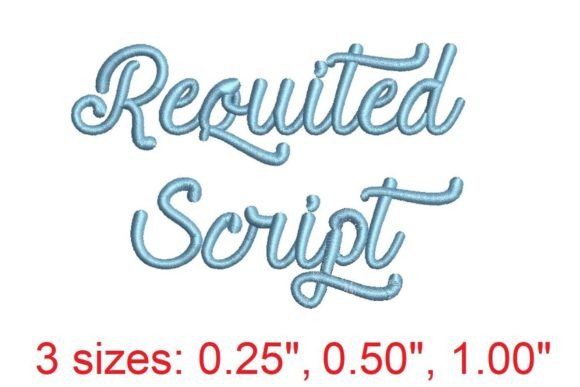
The first thing that stands out about the Requited Script Embroidery Font is its refined and sophisticated look. It carries a sense of elegance that feels both timeless and modern. The flowing script style adds a touch of romance and charm, making it ideal for brands that want to convey sophistication without being too formal. Whether you're designing for a boutique, café, or handmade brand, this font has the visual personality to stand out.
Real-World Use Cases: From Patches to Product Labels
The Requited Script Embroidery Font is versatile enough to work across multiple applications. Here are some key areas where it shines:
- Embroidered Patches: This font works well as a patch design, especially for boutique items or customer gifts. Its elegant curves make it perfect for logos or brand names.
- Caps and Hats: When applied to cap fronts, the script adds a unique flair without overwhelming the design. It’s great for custom apparel and event merch.
- Apron Embroidery: For food-related businesses like bakeries or cafes, the Requited Script can be used as an accent on aprons, adding a personalized touch.
- Tote Bag Design: This font can serve as a subtle branding element on tote bags, especially when paired with other design elements like logos or patterns.
- Product Packaging Accents: It’s also suitable for small product labels or packaging touches, helping to reinforce brand identity.
- Custom Apparel: Whether it's a work shirt, uniform, or casual wear, the Requited Script offers a stylish option for embroidered text.
Design Considerations for Commercial Use
While the Requited Script Embroidery Font is visually appealing, there are several factors to consider before using it in production:
- Small Patch Sizes: The intricate details of the script may not translate well to tiny patches. Always test at smaller sizes to ensure clarity.
- Cap Fronts and Curved Surfaces: Due to the curved nature of the script, it may require careful placement on curved surfaces to avoid distortion.
- High Stitch Density: The detailed outlines and flow of the font mean higher stitch counts, which can affect embroidery time and cost.
- Fabric Texture: On textured fabrics, the font may appear less crisp. Testing on actual fabric is essential before full production.
- Dark Uniforms: If using this font on dark-colored uniforms, ensure sufficient thread color contrast for visibility.
- Thread Colors: Choosing the right thread colors can significantly impact the overall appearance of the finished product.
- Stabilizer Use: Proper stabilizer application is crucial for maintaining the integrity of the design during embroidery.
- Hoop Size: Ensure the hoop size is appropriate for the design to prevent distortion or uneven stitching.
Impact on Brand Identity and Customer Trust
The Requited Script Embroidery Font plays a significant role in shaping brand identity. Its elegant and romantic style can help create a cohesive visual language that resonates with customers. A well-designed logo or brand name can increase recognition and build trust, especially in small business settings.
When used consistently across all branding assets—whether it’s a patch, cap, or tote bag—the Requited Script helps reinforce brand consistency. This is particularly important for Etsy sellers, crafters, and handmade brands looking to establish a recognizable presence in the market.
Practical Tips for Embroidery Designers
Before moving forward with the Requited Script Embroidery Font, here are a few practical tips to keep in mind:
- Test in Black and White: Evaluate how the font looks in monochrome to ensure it maintains clarity and readability.
- Check Small Patch Sizes: Ensure the font remains legible and clear at smaller scales.
- Review Thread Color Contrast: Choose thread colors that complement the background fabric for optimal visibility.
- Inspect Spacing: Proper spacing between letters is essential for a clean and professional look.
- Confirm Hoop Size: Make sure the hoop size matches the design dimensions to avoid distortion.
- Test on Real Fabric: Always test the design on actual fabric before mass production.
- Create a Mockup: Provide clients with a printable mockup to get feedback and approval before finalizing the design.
- Compare with Other Assets: Ensure the Requited Script aligns with other design assets for visual consistency.
- Confirm Commercial Licensing: Verify that the font is properly licensed for commercial use to avoid legal issues.
Conclusion: A Versatile Asset for Small Business Merch
The Requited Script Embroidery Font is a strong contender for small business merch and branded patches. Its elegant and romantic style makes it suitable for a wide range of applications, from caps and tote bags to aprons and product labels. However, it requires careful consideration in terms of scale, fabric, and thread color to ensure the best results.
For embroidery designers, this font offers a valuable tool for creating distinctive and memorable designs. With proper testing and planning, the Requited Script can become a staple in your design toolkit, helping to elevate the visual appeal of your custom apparel and branding efforts.