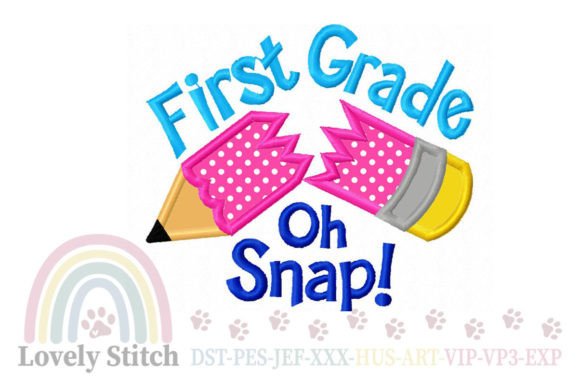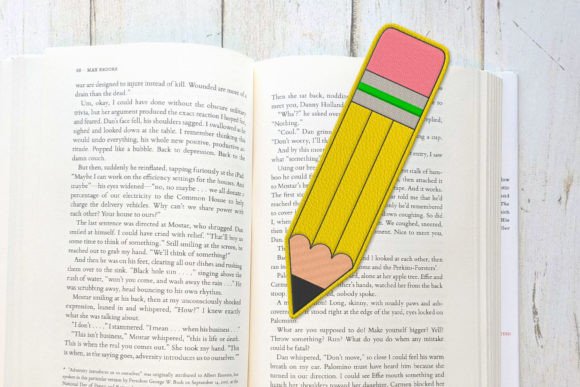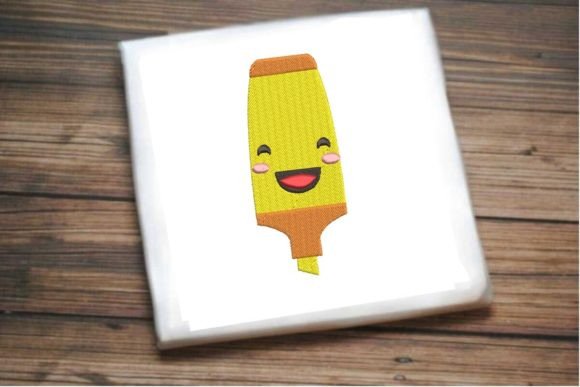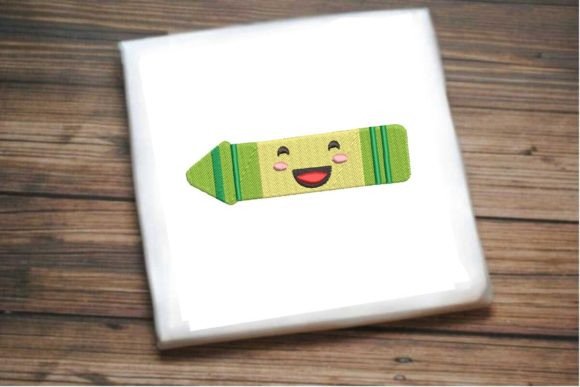
Wax Pencil Embroidery Design Review
First Impression: Clever, Clean, and Quietly Confident
As an embroidery designer who’s prepped over 200 craft fair booths—and shipped thousands of embroidered school-themed products—I opened the Wax Pencil machine embroidery design expecting something literal. What I found was refreshingly intentional: not cartoonish or overly cutesy, but precise, grounded, and quietly clever. It leans modern-minimal with a soft handmade warmth—think chalkboard meets craft studio, not kindergarten bulletin board. That balance is gold for Back To School season, especially when you’re selling to teachers, homeschoolers, stationery lovers, and creative professionals who appreciate subtlety over shoutiness.
Where Wax Pencil Shines on Craft Fair Products
This design isn’t one-note—it adapts beautifully across your best-selling handmade product categories:
- Tote bag design: Works perfectly as a centered 3.5"–4.5" chest placement. Clean lines hold up even on textured canvas, and the wax pencil shape reads instantly from 6 feet away—critical for booth traffic flow.
- Apron embroidery: Ideal above the pocket or along the waistband. Its horizontal orientation complements apron structure without competing with functional details like ties or pockets.
- Tea towel embroidery: A standout on linen-cotton blends. The design’s clean silhouette pops against neutral backgrounds, and its scale (when sized 2.75"–3.25") avoids overwhelming the fabric’s natural texture.
- Embroidered patch: Excellent candidate for iron-on or sew-on patches. Crisp edges and moderate stitch density mean it holds shape after cutting and washing—no fraying corners or fuzzy outlines.
- Fabric pouch & pillow cover: Adds quiet sophistication to minimalist home goods. Customers consistently reach for items that feel “designed,” not decorated—and Wax Pencil delivers that refined handmade quality.
What Makes Wax Pencil Sell—Beyond the Stitch
It’s rare to find a school-themed embroidery file that feels both useful and elevated. Wax Pencil bridges that gap: it signals creativity *and* practicality. Buyers don’t just see “school”—they see artistry, intention, and a nod to analog tools in a digital world. That resonance translates directly to booth engagement: I’ve watched shoppers pause, tilt their heads, smile, and ask, “What’s that made with?”—a perfect opening to talk about your process, materials, and story.
For Etsy sellers and small shop owners, this design strengthens brand consistency. Pair it with muted thread colors (oatmeal, slate, deep olive) on natural fabrics, and it becomes part of a cohesive visual language—not just another seasonal drop. And because it’s not tied to a specific grade level or holiday, it stays relevant beyond August: think teacher appreciation, art camp gifts, or studio supply bundles.
Production Realities: Smart Embroidery Decisions Start Here
Before you load that hoop, treat Wax Pencil like any high-intent design—not just another embroidery file. Here’s what I check every time:
- Test on scrap fabric first—especially if using textured tea towels or thick twill for caps. Dense stitch areas can flatten or pucker unexpectedly.
- Verify thread contrast. On dark fabric, light threads must be vibrant enough to read clearly at booth distance. Avoid pale yellows or creams unless paired with strong stabilizer support.
- Review spacing and stitch density. Even “meticulous precision” can hide tight corners or overlapping fills. Zoom in digitally before stitching—look for potential nesting or thread buildup.
- Confirm hoop size compatibility. If your machine requires frequent rehooping, choose a version that fits comfortably in your most-used hoop (e.g., 4x4 or 5x7) without scaling down critical details.
- Match stabilizer to fabric texture. Lightweight cutaway works well for tote bags; tear-away + topping is essential for terrycloth tea towels to prevent sinking stitches.
Careful-Use Notes You Can’t Skip
Wax Pencil includes fine-line elements—especially around the pencil tip and wax core—that demand attention:
- Avoid shrinking it below 2.25" on finished products—tiny details blur on curved cap surfaces or dense woven fabrics.
- Don’t embroider it directly onto heavy denim or stiff canvas without testing: thick fabric compresses delicate stitch transitions.
- On dark fabric, confirm all thread colors maintain legibility—especially subtle gradients in the wax barrel.
- When digitized for commercial embroidery, ensure lettering (if present in alternate versions) remains crisp at 3" wide. Small lettering loses clarity fast on textured surfaces.
Final Thoughts for the Craft Fair Designer
Wax Pencil isn’t flashy—but that’s its superpower. In a sea of glitter, script fonts, and oversized motifs, it stands out by being thoughtful, tactile, and quietly confident. It performs exceptionally well as both a small accent (e.g., corner of a market bag) and a medium-scale focal point (e.g., front of an apron). It photographs cleanly for Etsy listings and printable mockups, and its versatility means you can produce it across multiple product types without diluting your aesthetic.
Most importantly, it invites conversation—not just about school supplies, but about making, marking, planning, and creating. That emotional hook is what turns a $12 embroidered tea towel into a keepsake. So yes: test it, refine it, pair it intentionally—and bring it to your next craft fair booth. Because when customers connect with the idea behind the stitch, they don’t just buy a handmade product—they invest in your vision.