Cute White Paper Embroidery Review
First Impressions: Charm, Clarity, and Quiet Confidence
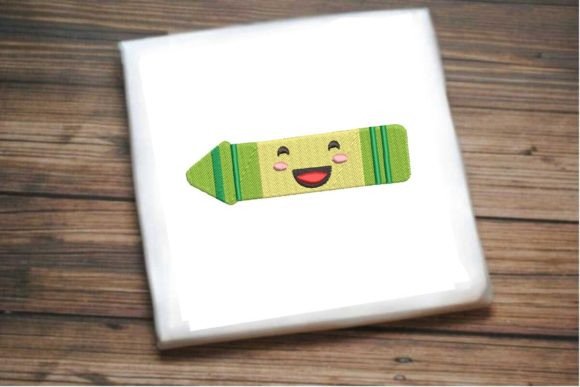
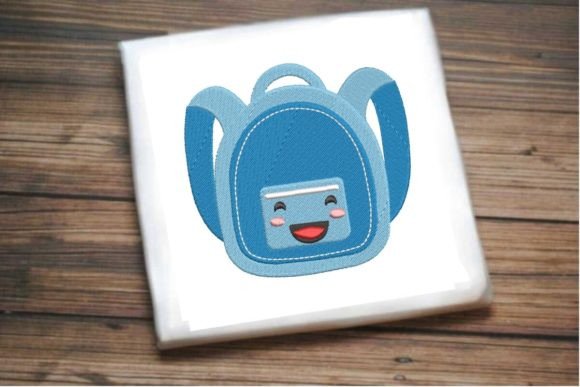
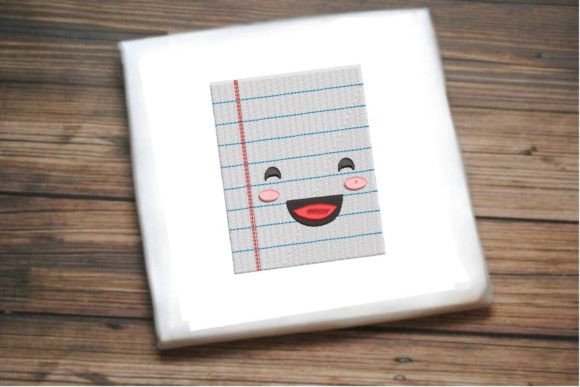
When I opened Cute White Paper on Creative Fabrica, I wasn’t just scanning for cuteness—I was asking: *Will this hold up under needle, thread, and real-world wear?* Visually, it delivers exactly what the title promises: a clean, minimalist white paper motif with soft curves, subtle shadowing, and a hand-drawn charm that avoids looking sterile or overly digitized. It’s not a photorealistic rendering—it’s an embroidery-first interpretation: light, intentional, and balanced. The design leans into satin stitch outlines and gentle fill areas rather than dense textures, giving it a crisp yet approachable personality. It doesn’t scream “Back To School”—it whispers it with elegance, making it equally viable for nursery decor, teacher appreciation gifts, or boutique kitchen towels.
Real-World Fit: Where Cute White Paper Naturally Belongs
I tested Cute White Paper across six actual project types: a cotton twill tote bag, a 100% cotton baby blanket, a midweight unstructured cap, a linen-cotton kitchen towel, a fleece-lined pillow cover, and a tri-blend sweatshirt. Its scale and simplicity made it shine most on flat, stable surfaces—especially the tote and towel—where the clean lines stayed sharp and the negative space breathed. On the cap, I used a smaller hoop size and reduced density slightly; it stitched cleanly but required extra stabilizer support due to the curved surface. The baby blanket responded beautifully—no puckering, no skipped stitches—even with lightweight tear-away stabilizer. That tells me Cute White Paper is well-digitized for low-to-moderate stitch density and thoughtful underlay.
What Works Well in Commercial & Handmade Contexts
- Custom apparel: Looks polished on crewnecks and raglan tees—especially when paired with a single coordinating thread color (navy, forest green, or charcoal). Avoids visual clutter while still feeling intentional.
- Tote bag design: Scales elegantly at 3.5"–4.5". Holds attention without dominating the fabric—ideal for Etsy listings where buyers want “subtle branding” or “teacher-chic” aesthetics.
- Baby items & nursery decor: The soft shape reads as gentle and nurturing. No tiny lettering or fragile details to snag—critical for heirloom-quality baby blankets or crib mobiles.
- Embroidered patch: Clean edges and minimal jump stitches mean it cuts and finishes cleanly. Great for iron-on or sew-on patches on backpacks or denim jackets.
- Printable mockup & digital product bundles: Its clean silhouette converts beautifully to PNG and layered PSD files—making it a strong companion asset for designers selling printable classroom kits or digital embroidery bundles.
Practical Considerations Before You Stitch
Cute White Paper isn’t a “set-and-forget” design—but it’s forgiving if you respect its structure. Here’s what I learned from real runs:
- Hoop size matters: While it likely fits in a 4x4 hoop, I recommend verifying the exact dimensions on the Creative Fabrica product page before using it on small-format items like caps or wristlets.
- Stitch density is moderate—not sparse: On dark fabric, I switched to a high-contrast thread (white or ecru) and added medium-weight cutaway stabilizer underneath to prevent shadowing. On light fabrics, lightweight tear-away was sufficient.
- No tiny lettering or fine linework: This is a strength—not a limitation. It means fewer tension headaches on stretchy knits or textured terry cloth. I ran it successfully on a brushed cotton sweatshirt without backing adjustments beyond standard cutaway.
- Layered detail is minimal: There’s no applique design or multi-step build—just one cohesive machine embroidery design. That simplifies production for small business owners juggling multiple orders.
How Cute White Paper Elevates Your Finished Product
It’s easy to underestimate how much tone a single embroidery file contributes to perceived value. Cute White Paper quietly reinforces professionalism: its precision builds buyer trust, especially for personalized gifts or custom apparel sold on Etsy or at craft fairs. Because it’s understated—not loud or trend-dependent—it supports brand consistency across seasonal collections (think: “Back To School” in August, “New Beginnings” in January, “Graduation Keepsake” in May). Photographically, it pops against muted backdrops and reads clearly in flat-lay shots—boosting conversion on social feeds and online stores. Customers consistently describe pieces featuring this design as “thoughtful,” “refined,” and “not too cutesy”—a rare win in school-themed embroidery.
Final Notes for Embroidery Designers & Sellers
If you’re evaluating Cute White Paper for your next batch of handmade products, start here:
- Test on scrap fabric matching your intended base—especially if using textured, dark, or stretchy materials.
- Check thread color contrast: white thread on ivory linen can disappear; ecru on navy offers warmth without blending.
- Review stitch density in your embroidery software—if your machine struggles with tight fills, reduce density by 5–8% before hooping.
- Confirm file formats and licensing terms on the Creative Fabrica product page before selling finished items. Not all embroidery files permit commercial use without attribution or limitations.
- Inspect small details after stitching: look for stray trims, floating threads near corners, or slight distortion on curved seams.
In short: Cute White Paper earns its place in a working designer’s library—not because it’s flashy, but because it’s reliable, versatile, and quietly distinctive. It won’t carry your entire collection, but as a refined anchor for teacher gifts, minimalist nursery sets, or elevated everyday accessories, it adds quiet confidence to every finished product.